
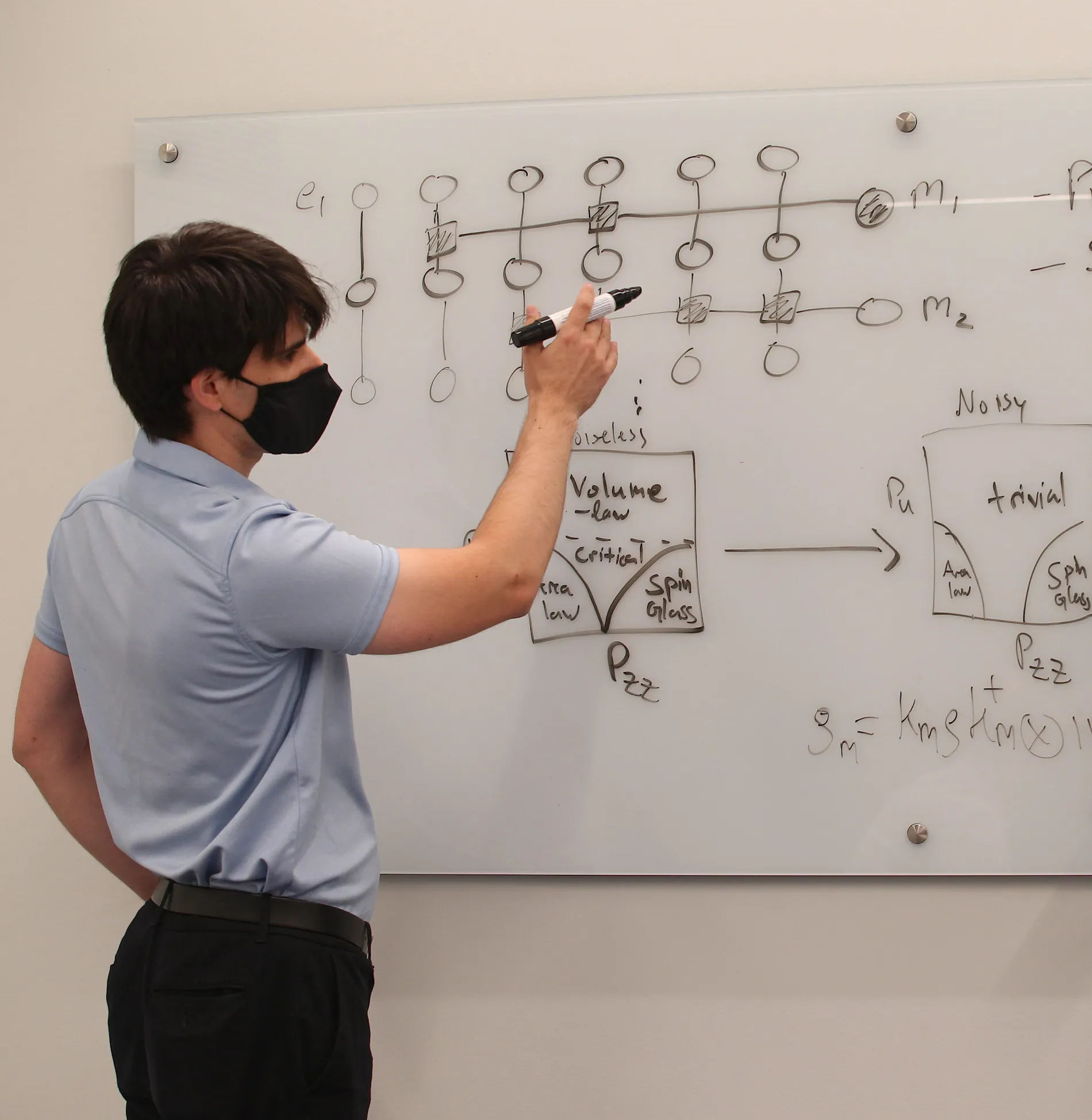
Developing a Fault Tolerant Quantum Computer
Michael Gullans is part of multi-institutional team that demonstrated a “fault tolerant” system using 448 atomic quantum bits.

UMD Team Advances AI Audio Systems with New Training Data and Benchmarks
Ramani Duraiswami has developed a state-of-the-art large audio-language model that advances reasoning and understanding across speech, sound, and music.

Harnessing AI to Develop Stronger and More Sustainable Plastics
Supported by a $2 million NSF award, Sanghamitra Dutta is teaming up with UMD researchers to develop stronger biodegradable plastics that are easy to produce.
Building AI That Keeps Users Safe Across Cultures and Crises
CLIP researchers are developing AI that provides consistent, culturally aware guidance to help users stay safe in both every day and crisis situations.
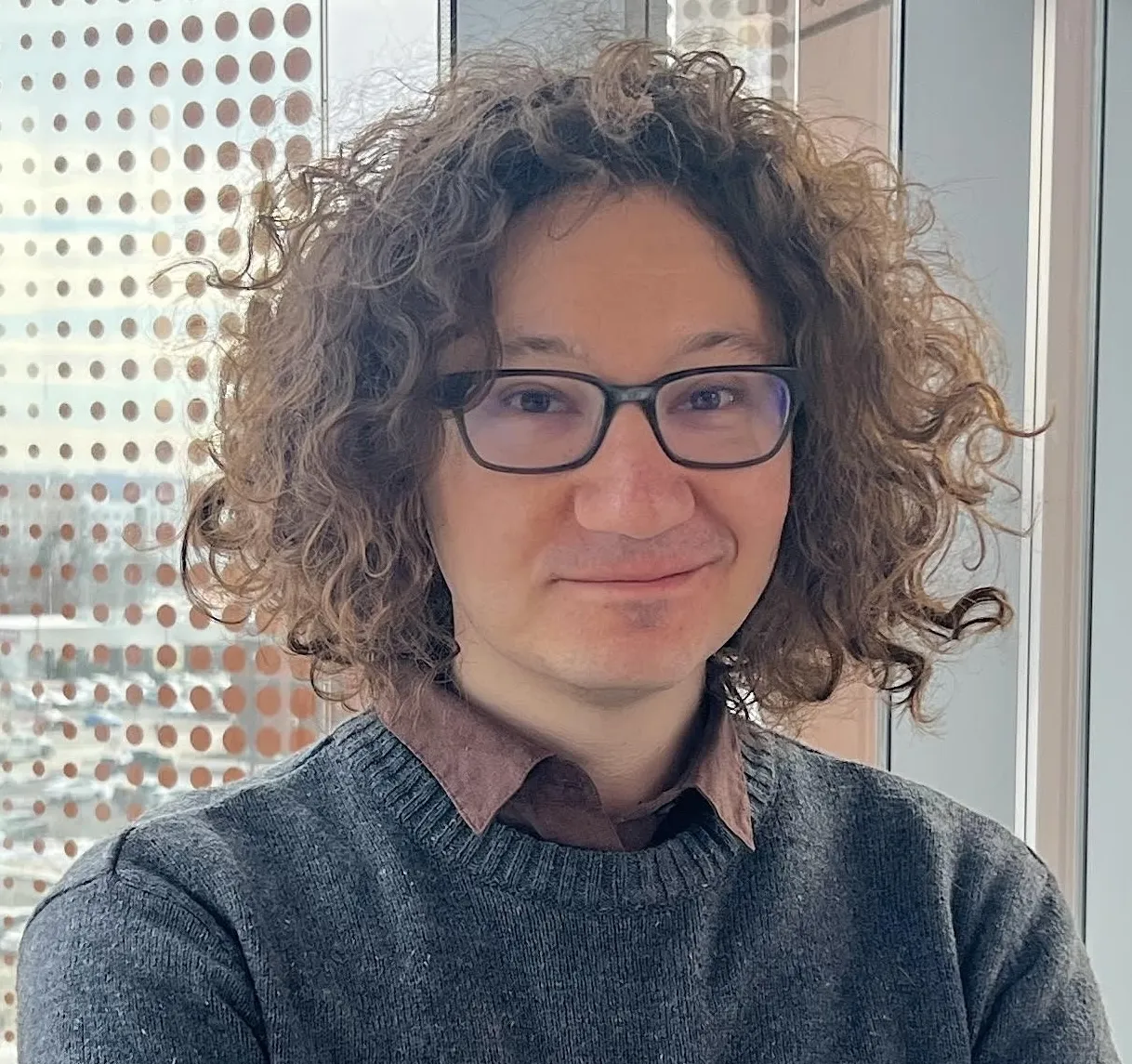
Marcus Fedarko
Huang Awarded Open Philanthropy Grant to Study Evasive AI Behavior
She will use the funding to develop tests and safeguards that reveal when language models merely appear safe and when they actually follow rules.

Microbiome Center Capstone Panel
The UMD Center of Excellence in Microbiome Sciences will hold its first student-led panel titled “Microbial Matters: Translating Microbiome Science to Maxi
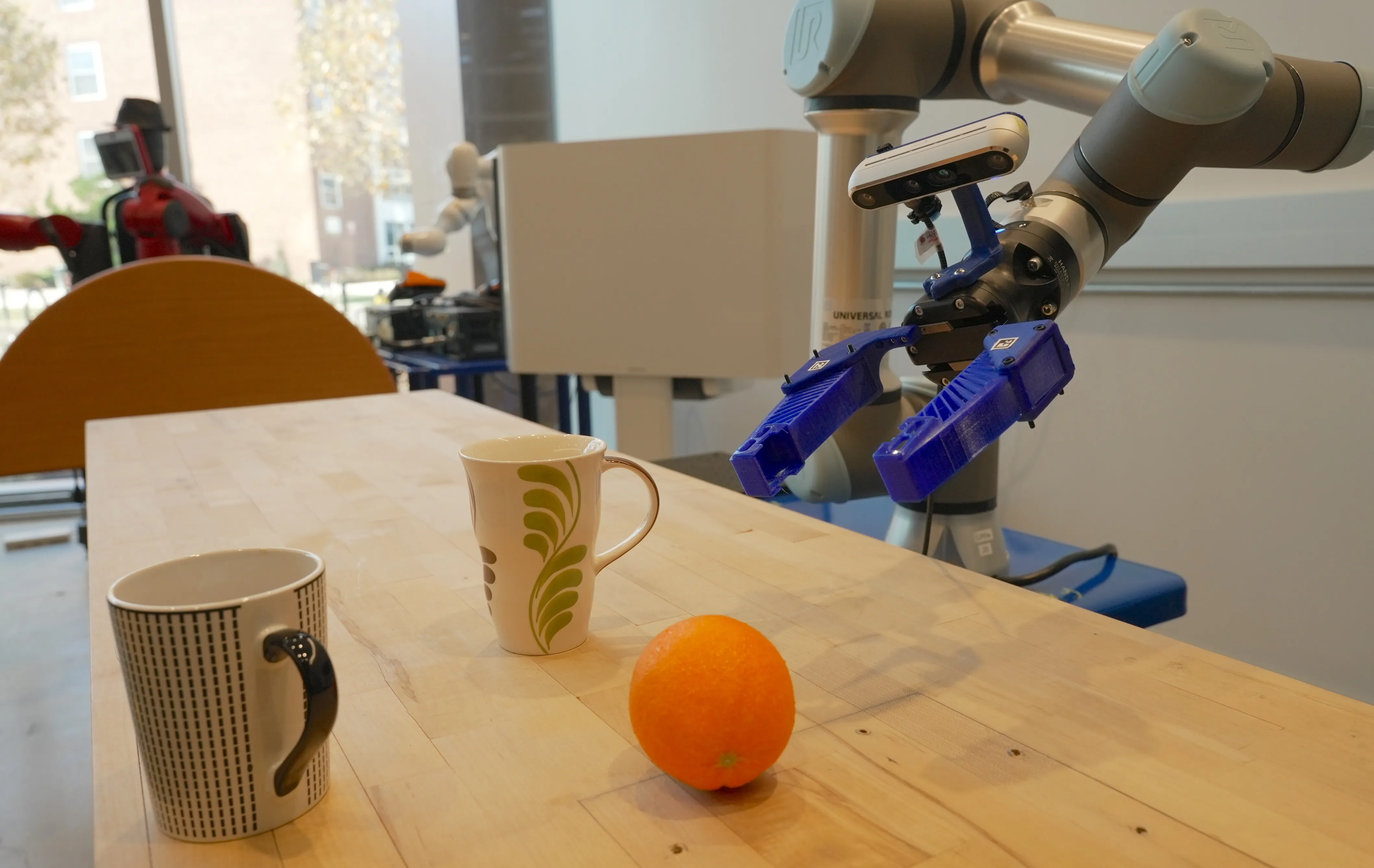
Robots That Measure Without Rulers
UMD researchers are developing robotic sensing abilities that mimic biological systems to judge distances.
UMD Model Joins ‘Arms Race’ to Develop AI-Powered Tech that Understands Music
Ramani Duraiswami helped develop an AI-powered platform that breaks down songs based on personal taste, emotion and mood.
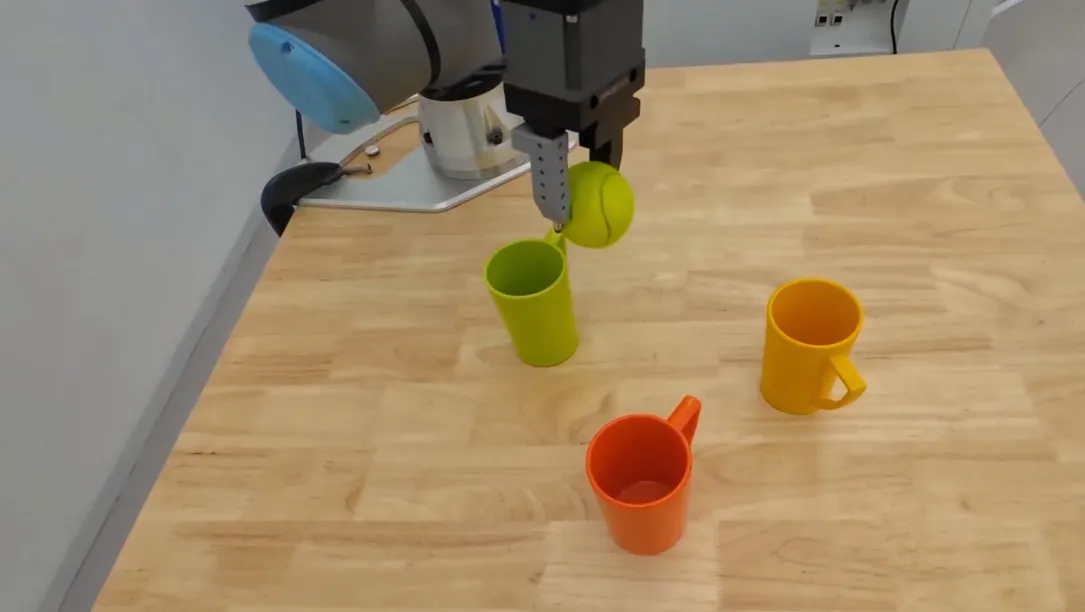
UMD Doctoral Student Showcases Transformative Robot Learning at Amazon Symposium
Amisha Bhaskar recently presented her research in Boston, showcasing four projects that help robots learn efficiently from limited human input.