
1396 total results for “”
UMIACS Interface
UMIACS Interface is a monthly newsletter highlighting interdisciplinary research and innovation at the University of Maryland Institute for Advanced Computer Studies.
2026
September 2026
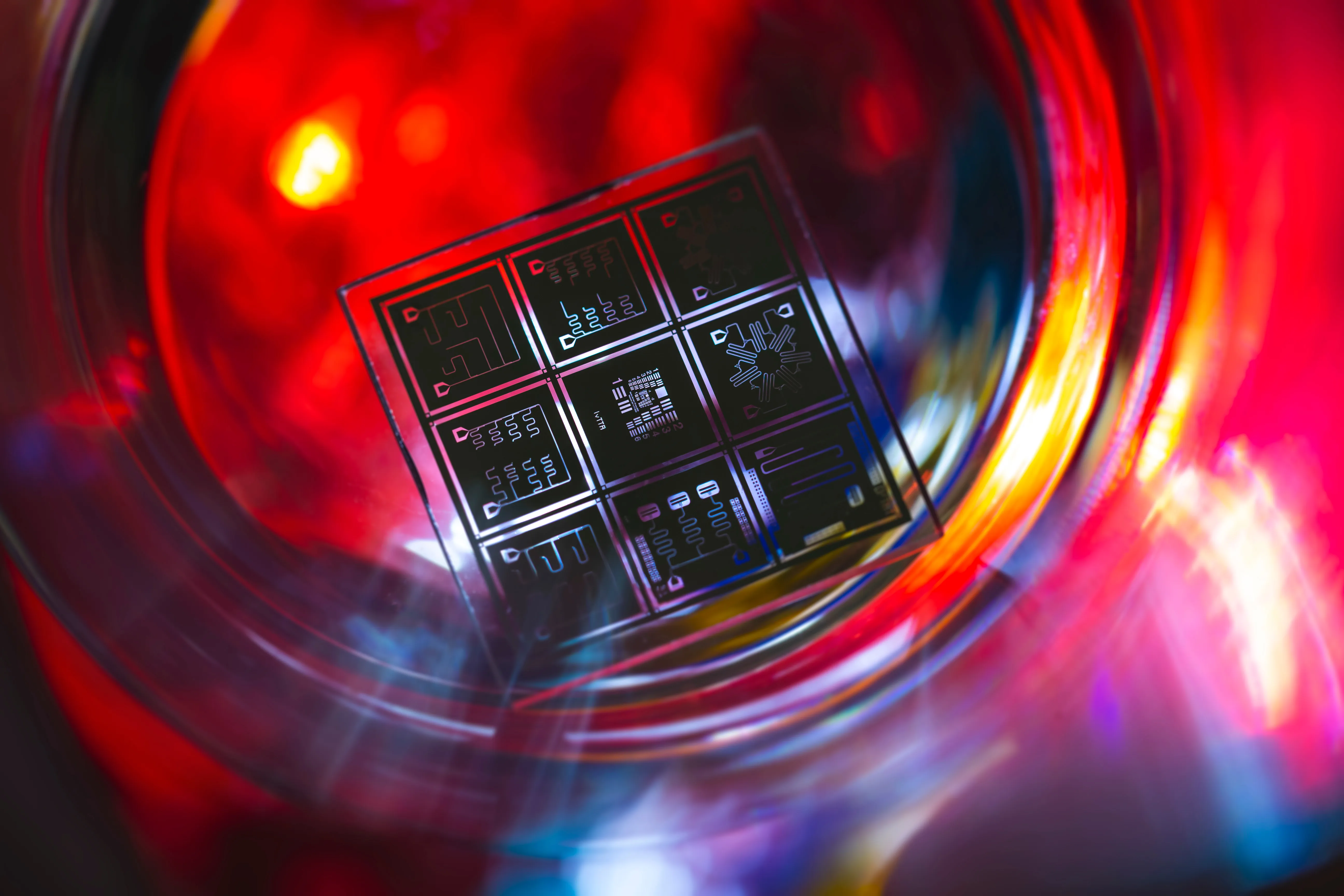
The September issue features a $37.5 million quantum award, insect-inspired drones, generative AI weather forecasting and more.
June-July 2026
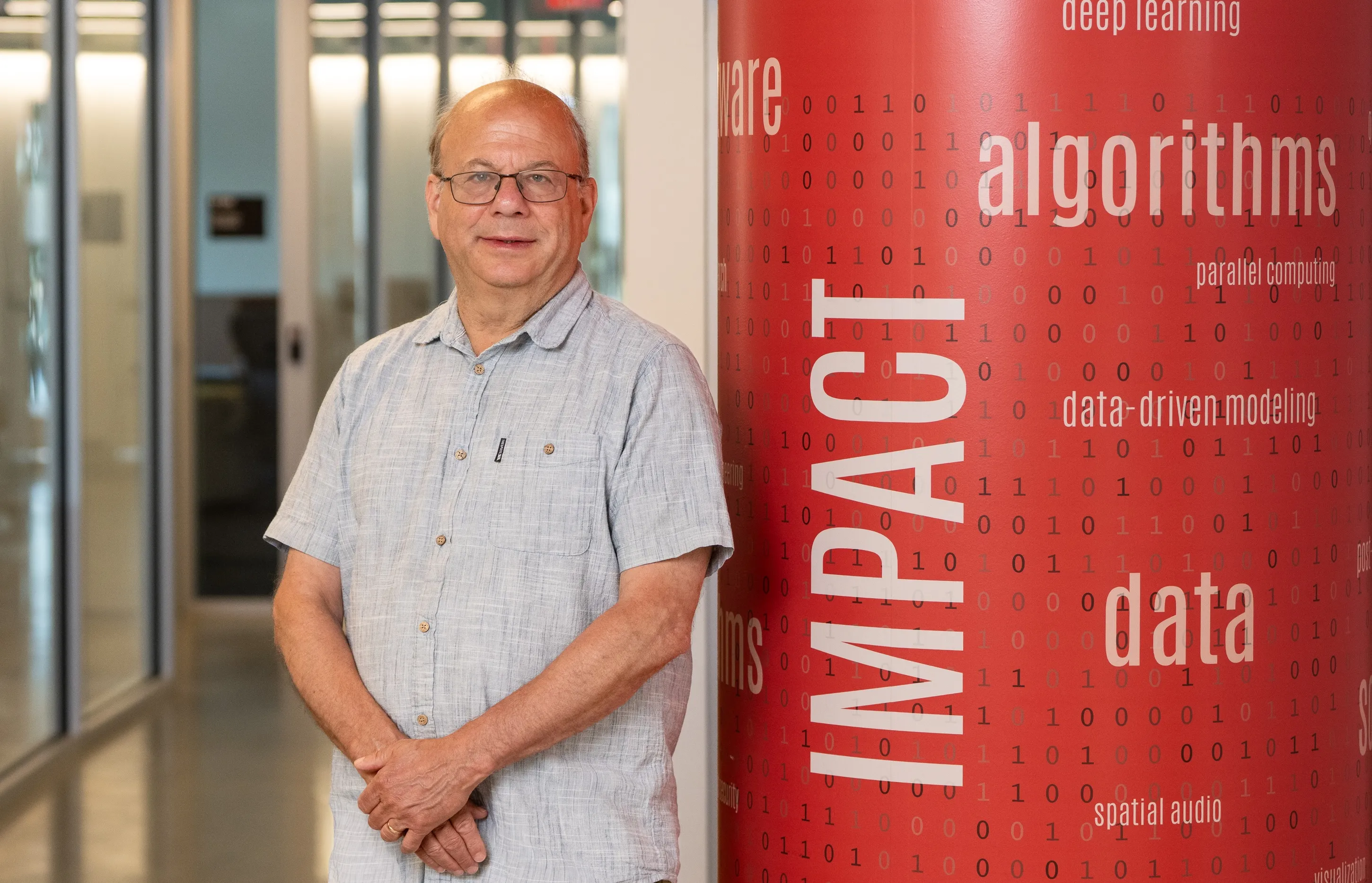
The June-July issue features the new UMIACS director, an AI "undo button," Grand Challenge awards, and more.
April 2026
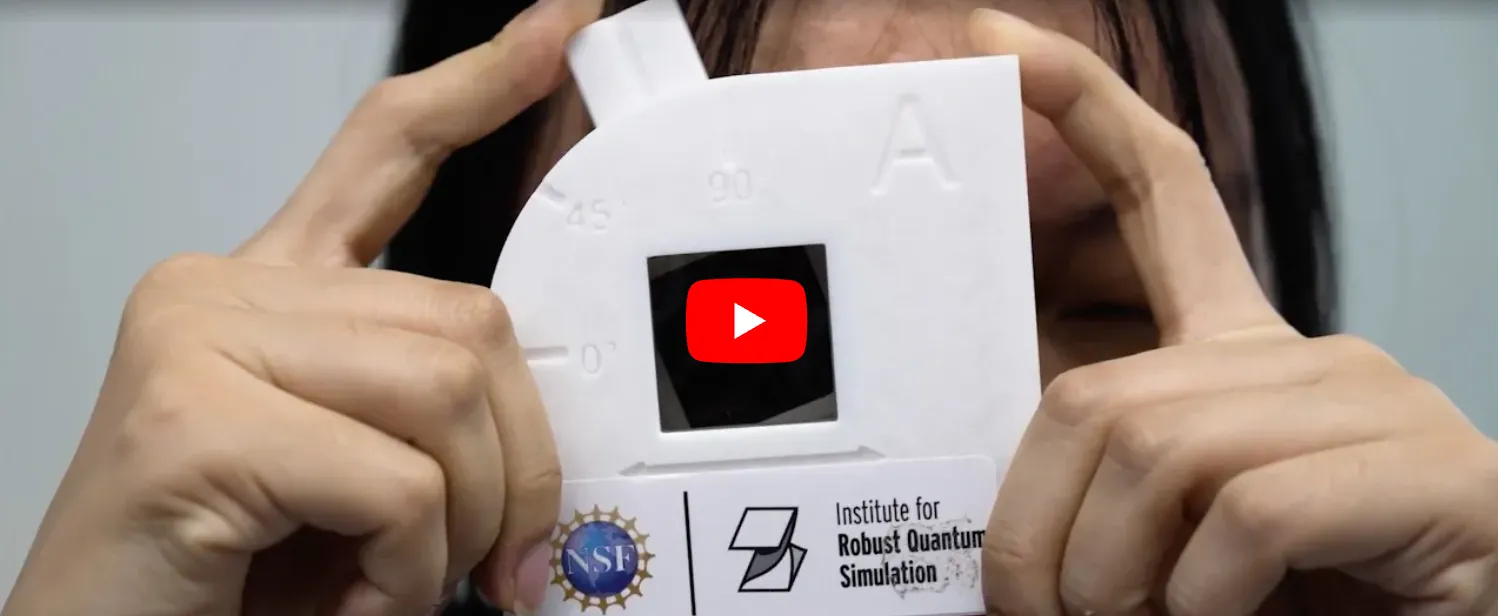
The April issue features quantum activity kits, collaborations with NVIDIA and the FDA, and more.

March 2026
The March issue features TRAILS' AI broader impact awards, three NIH-funded projects, and more.

February 2026
The February issue features AI-human interaction research led by Jordan Boyd-Graber, welcomes two new faculty members, highlights quantum advances from Norbert Linke and Mohammad Hafezi, and more.
2025
November-December 2025
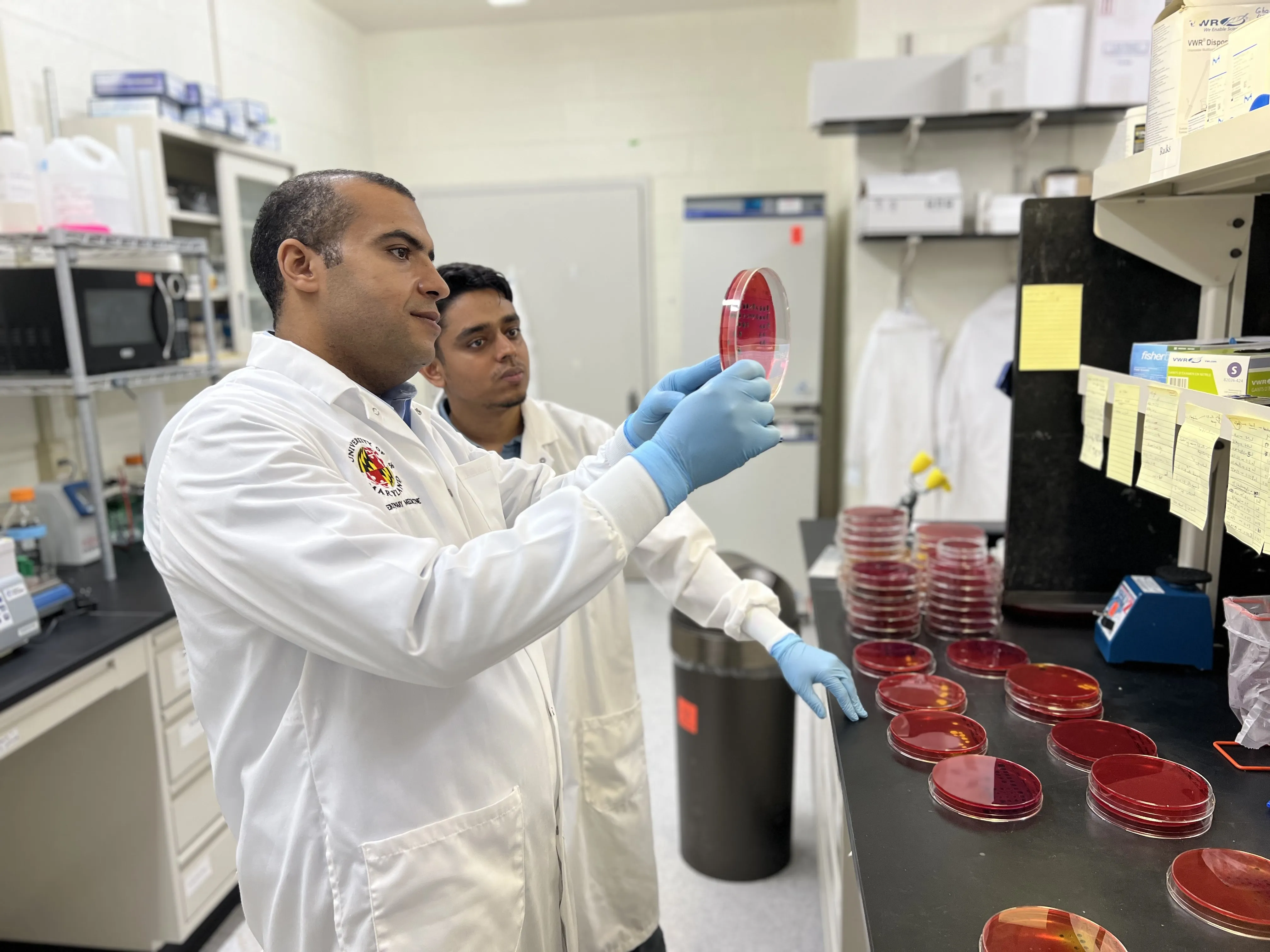
The November–December issue features the UMD Center of Excellence in Microbiome Sciences, the Quantum Leap Career Nexus connecting students with employers, and several projects focused on developing AI safeguards.
October 2025
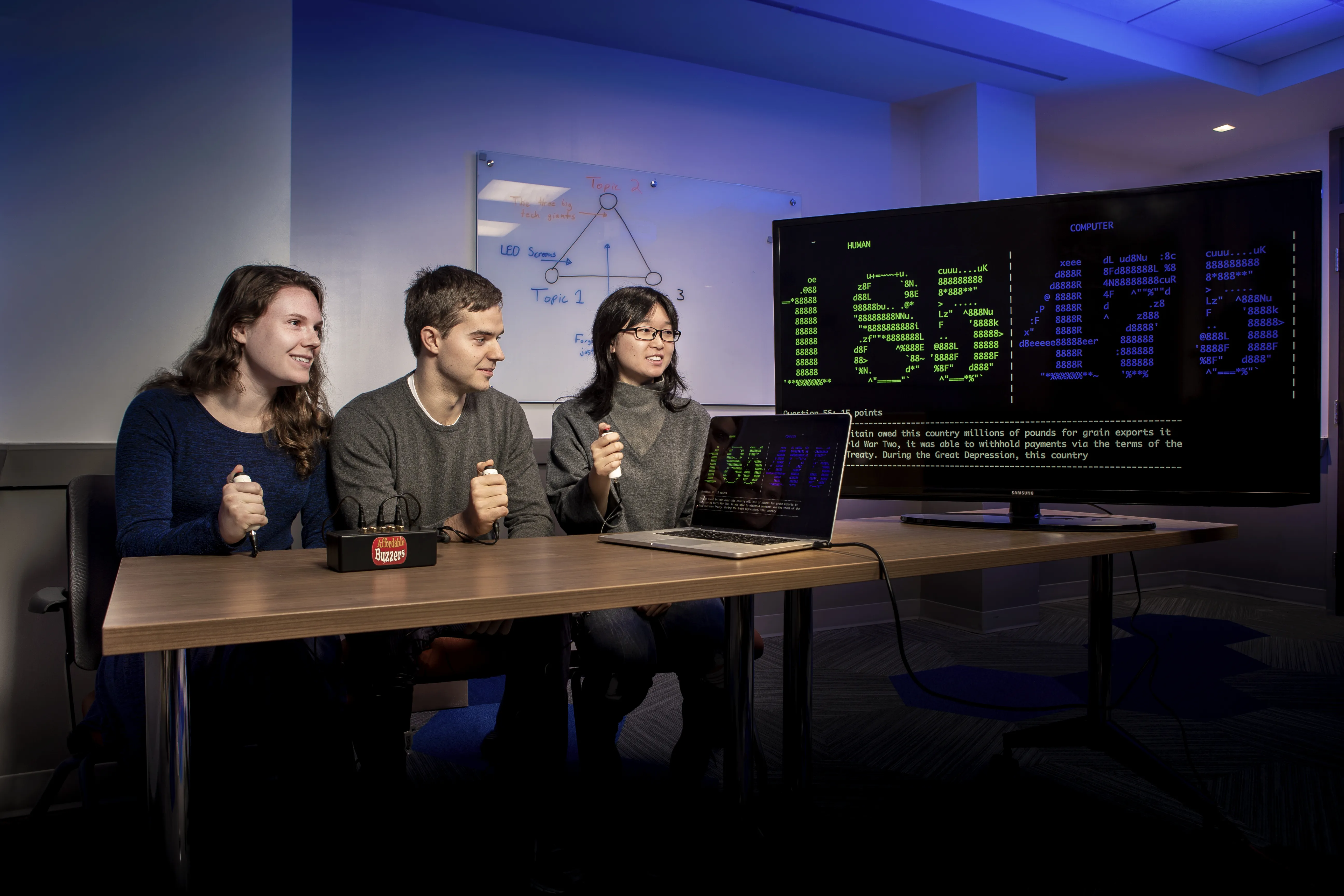
The October issue features research to better understand how humans and AI can work together, a recyclable 3D-printed circuit board to tackle e-waste, and more.
September 2025
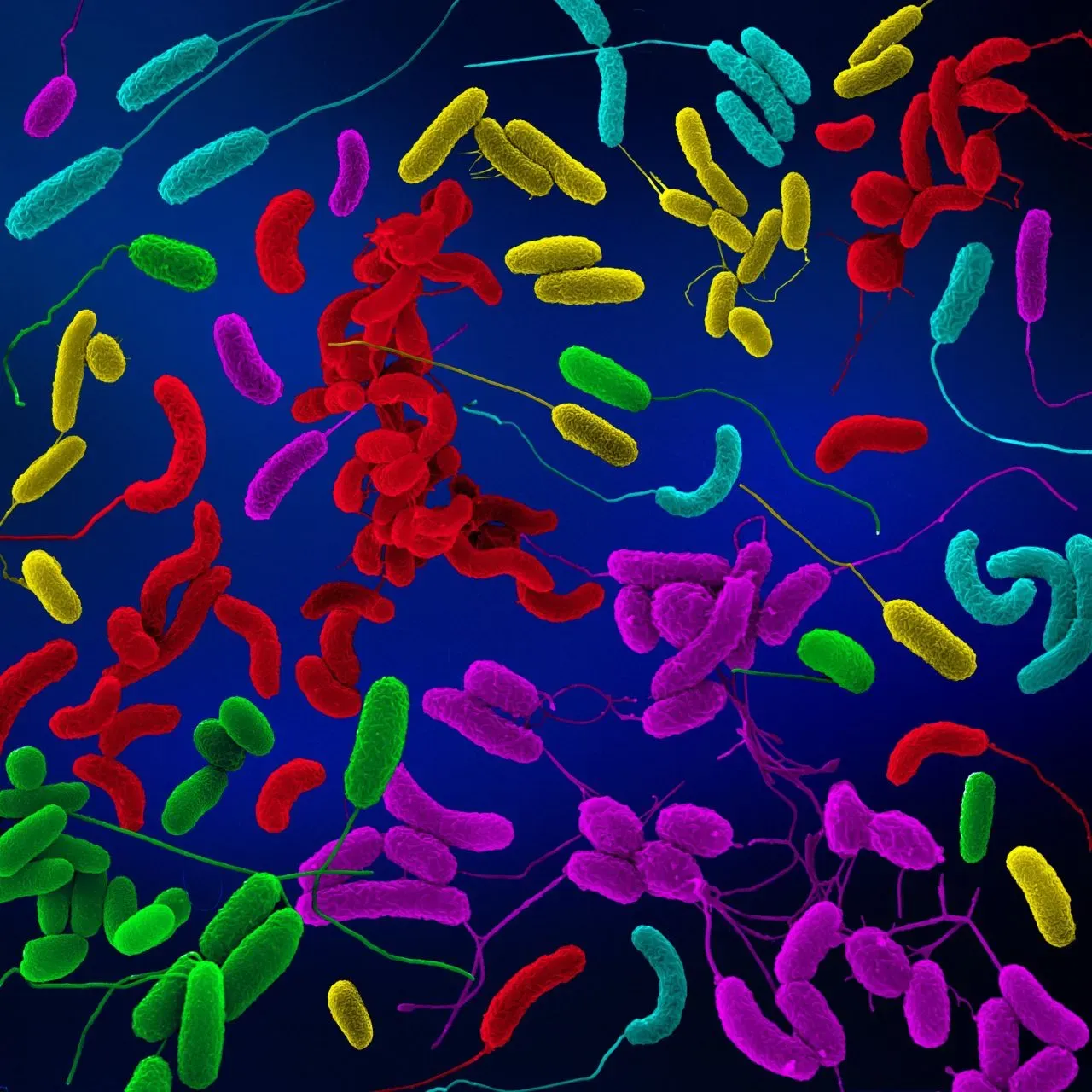
The September issue features research to track pathogens through DNA science, NSF awards to advance cybersecurity, AI and quantum, and more.

August 2025
The August issue features funding for trustworthy AI, a year of innovation at the Institute for Health Computing, wearable technology for blind individuals and more.

June-July 2025
The June-July issue features the UMIACS interim director and research on web AI agents, trustworthy AI, auditory attention and more.

May 2025
The May issue features new inventions for voice assistants and AI literacy, Derek's journey from student tech worker to senior tech staff, and more.
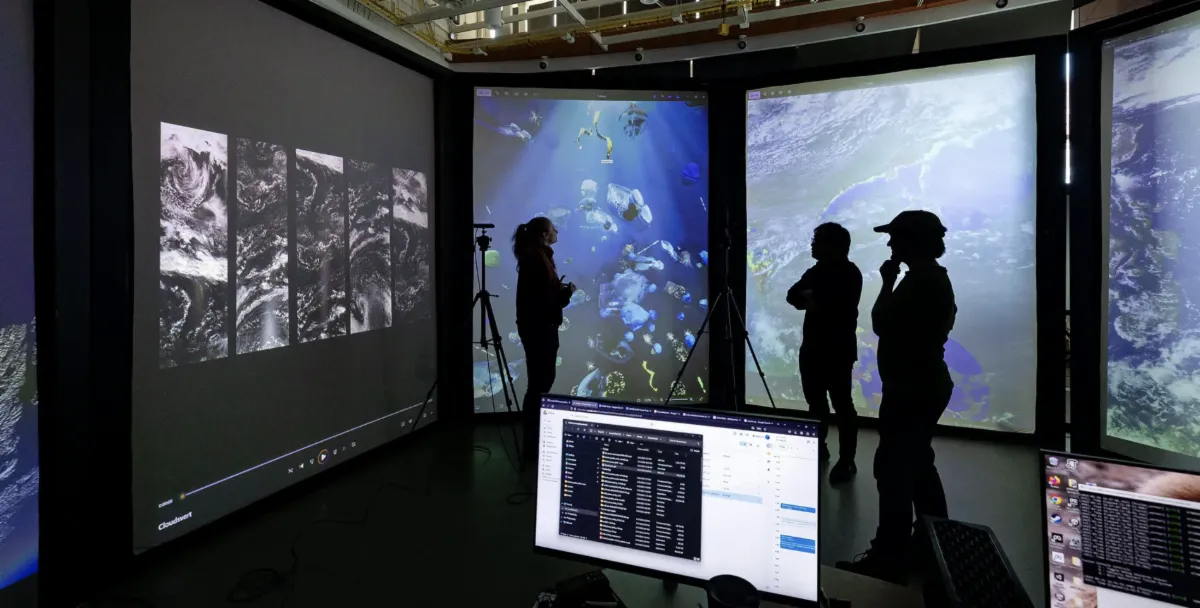
April 2025
The April issue features immersive media at the Kennedy Center, Elman's retirement, and new papers on AI bias, microbes and more.
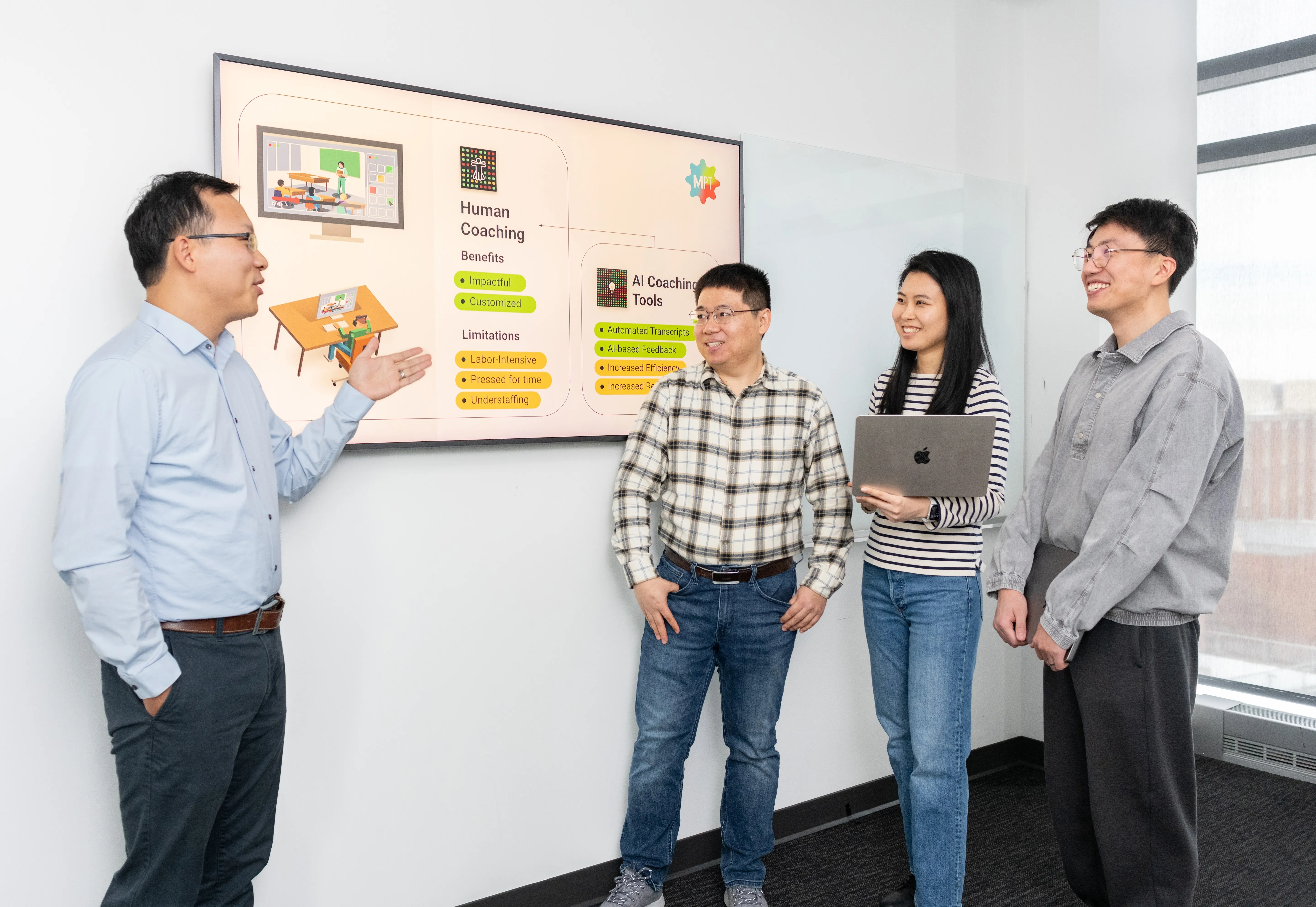
March 2025
The March issue features the use of AI to decode emojis, advance wearable technologies, improve K-12 math outcomes, and more.
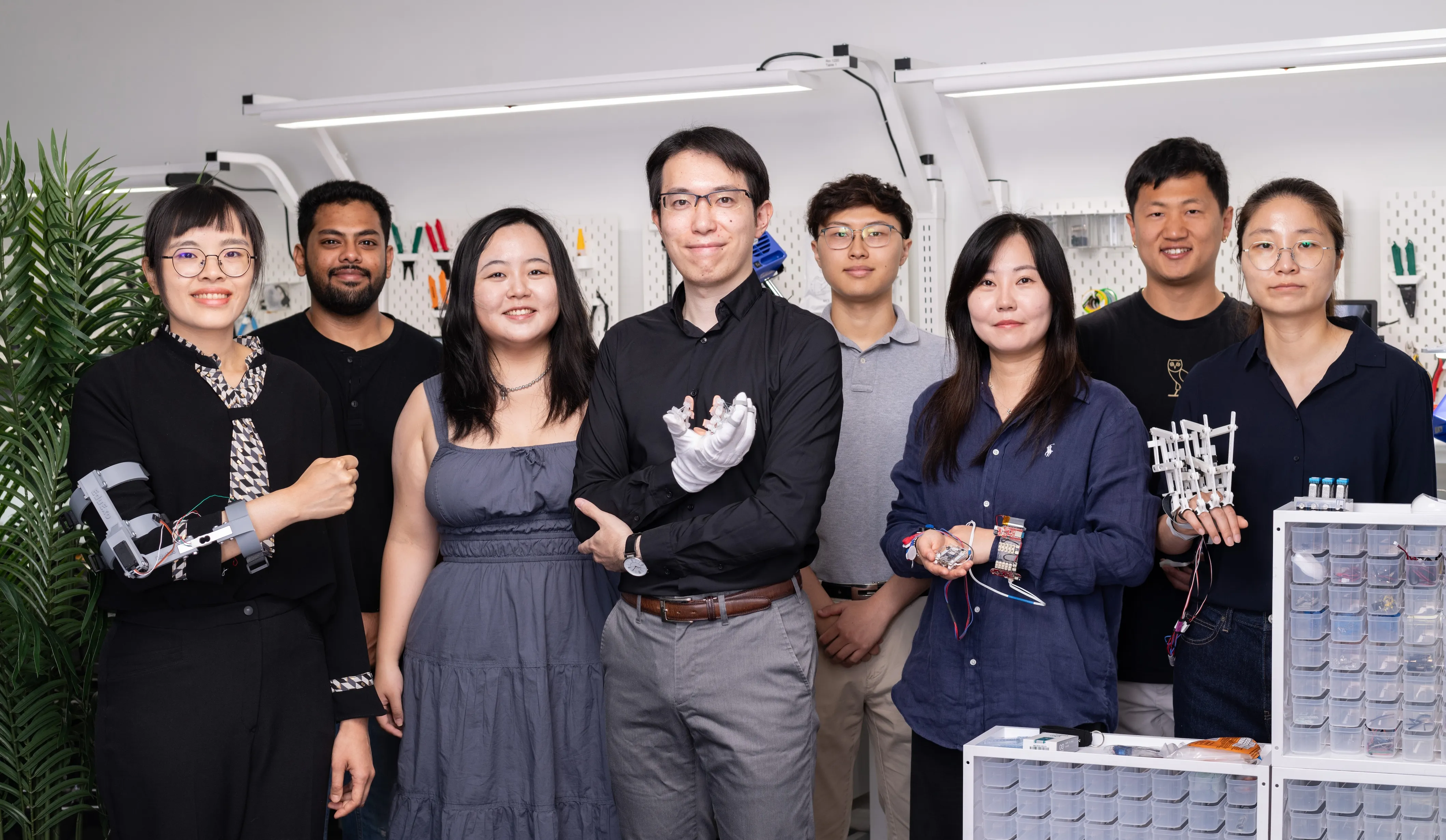
February 2025
The February issue features three recipients of the Presidential Early Career Award, wearable technologies, advances in quantum, and more.
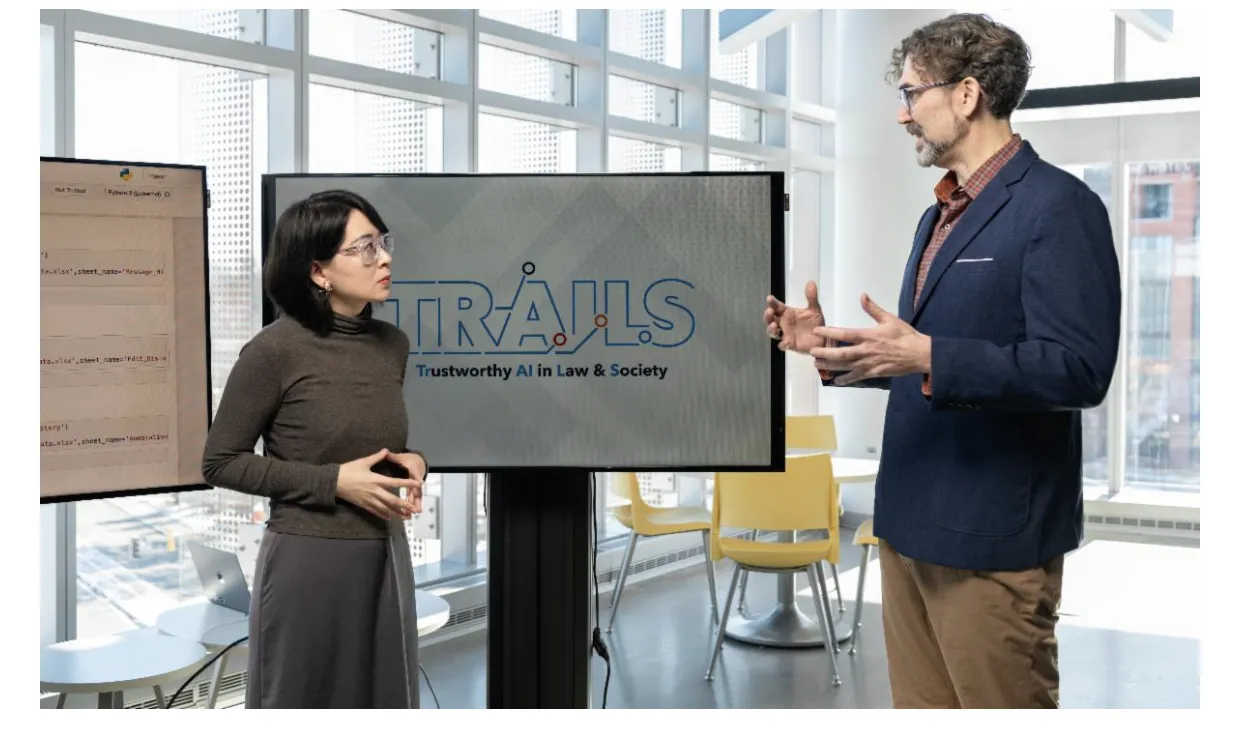 The February 2024 issue features research to advance trustworthy AI, and reduce food waste and insecurity.
 The March 2024 issue features the development of a bilingual chatbot to help new moms answer questions about maternal and newborn care, and the discovery of a new mathematical shortcut for calculations involving quantum systems.
 The April 2024 issue features the expansion of UMIACS' data center and the five-year anniversary of the Brendan Iribe Center for Computer Science and Engineering.
 The May 2024 issue features UMD Invention of the Year awards and AI and violin TV coverage.
 The June 2024 issue features efforts to tackle the addiction crisis using machine learning and the development of a new camera system to enhance resolution for a variety of computer vision applications.
 The July 2024 issue features UMIACS faculty promotions and using data science to explore climate extremes.

The September 2024 issue features quantum breakthroughs and a look at an AI summer academy.
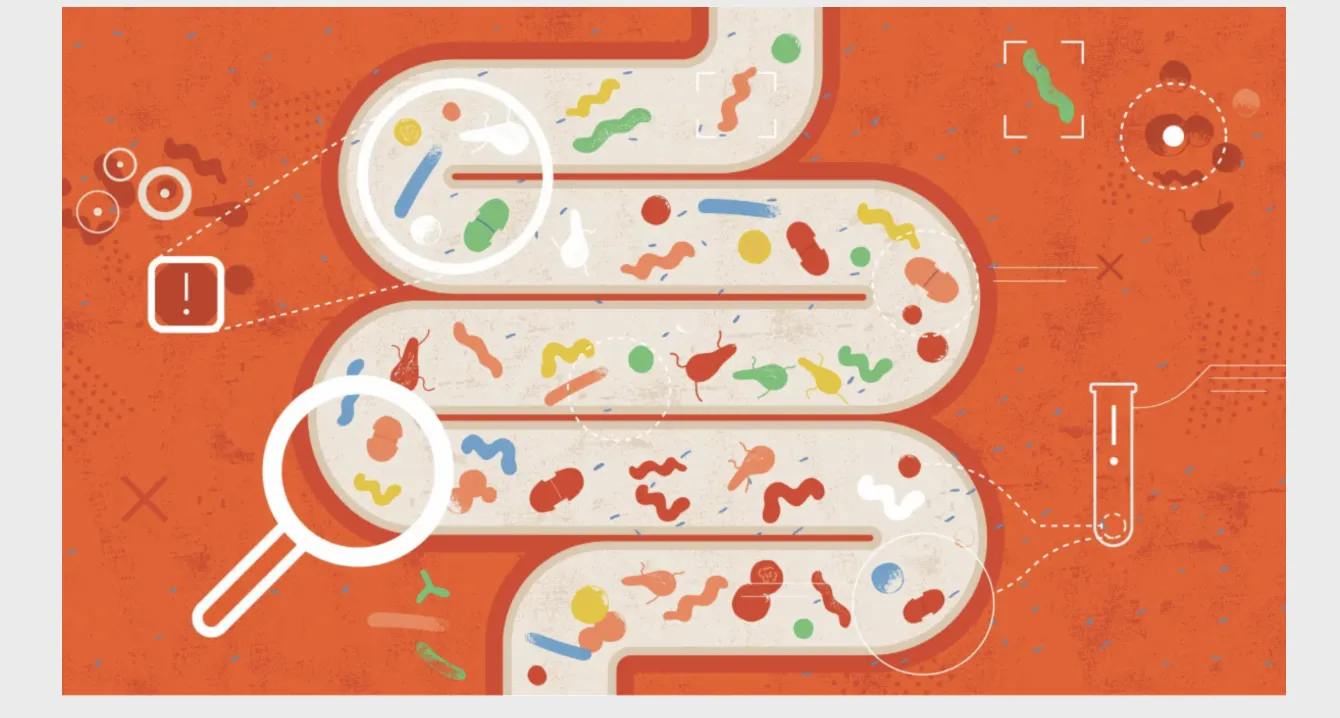 The October 2024 issue features research to uncover mechanisms behind Inflammatory Bowel Disease and other disorders, and using genomic tools to enhance poultry disease prevention and control.
 The November 2024 issue features advancing AI-driven language models, a $10M project to support students with disabilities, and innovations in haptic technology for VR.
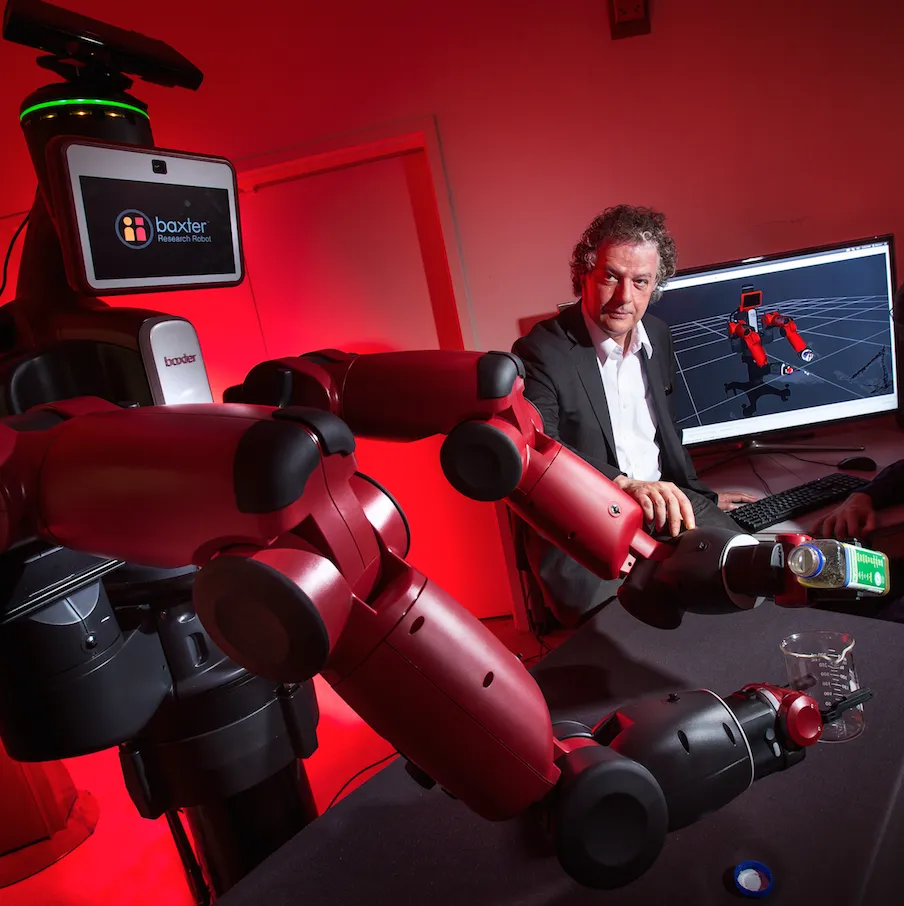 The December 2024 issue features Yiannis Aloimonos being honored with IEEE Fellow status, Uzi Vishkin's election to the National Academy of Inventors, an AI-driven mnemonic generator, highlights from this year's Rising Stars in Machine Learning Workshop, and more.

The January–February 2023 issue features five new affiliate faculty member appointments, the 22 UMIACS recipients of UMD's Grand Challenges grants, and NSF CAREER awards for two faculty members.

The March–April 2023 issue features a $1M NSF award to reimagine quantum cryptography in a post-quantum world, the launch of a new research center focused on values centered-AI, and numerous faculty and grad student honors.
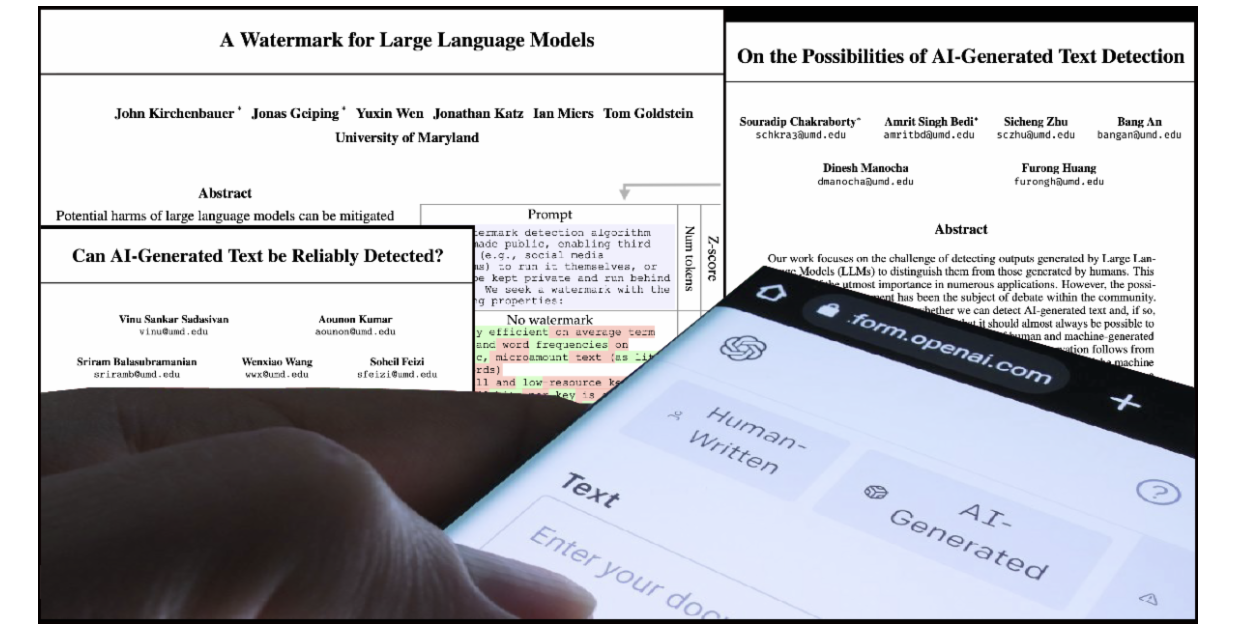 The 2023 summer issue features research to develop and test AI-text detectors, the Rita Rossi Colwell Center dedication in Baltimore, and multiple research projects involving fairness in machine learning.
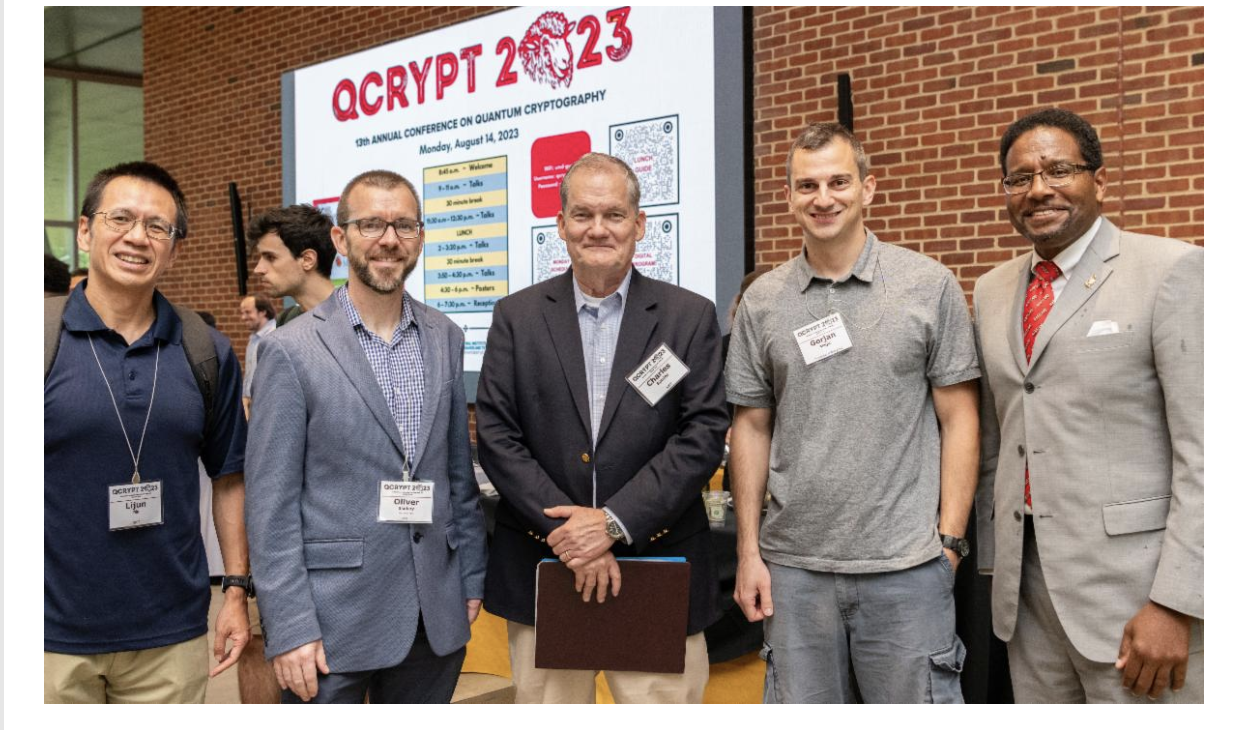
The September 2023 issue features two quantum cryptography conferences hosted by QuICS, two of our newest faculty members, and Bahar Asgari's Early Career Research Award from the Department of Energy.

The October 2023 issue features artificial intelligence systems that are advancing education and bringing transparency to political donations.
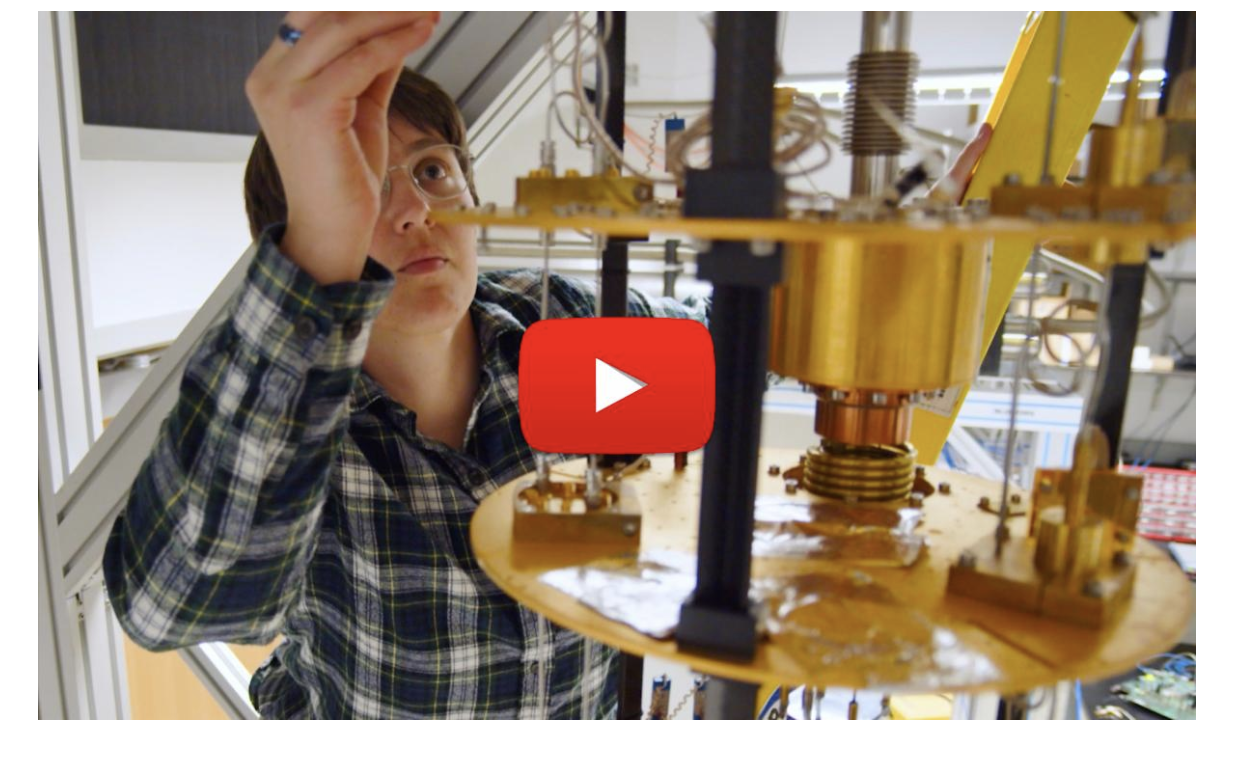
The November 2023 issue features the Institute for Robust Quantum Simulation and new faculty in machine learning.
The December 2023 issue features a competitive DOE award to advance AI using supercomputers, and an inaugural Lifetime Impact Award from ACM's Special Interest Group on Spatial Information given to Hanan Samet
 The November–December 2022 issue features three research awards from Meta, three projects focused on improve technology for blind users, and more.
 The September–October 2022 issue features new tools in artificial intelligence, robotics and more.
 The July–August 2022 issue features our summer research interns, three director appointments, and numerous faculty honors.
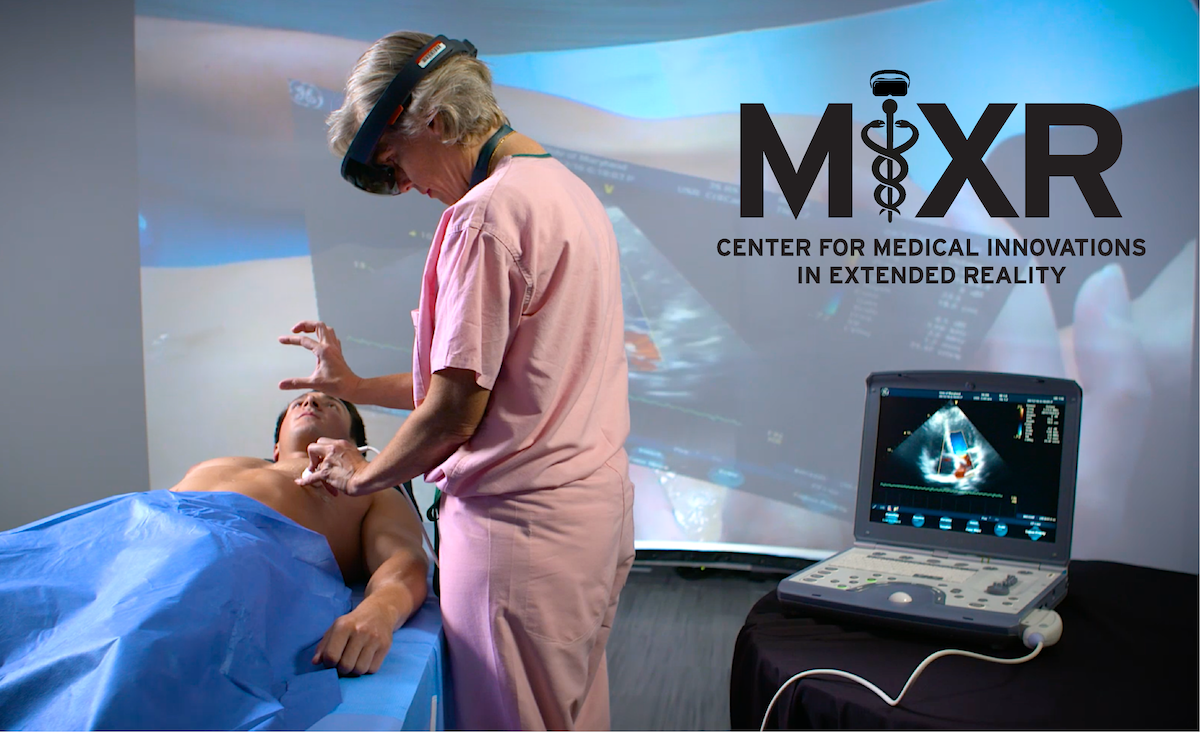 The May–June 2022 issue features two new research centers, two new faculty, and four academic promotions.
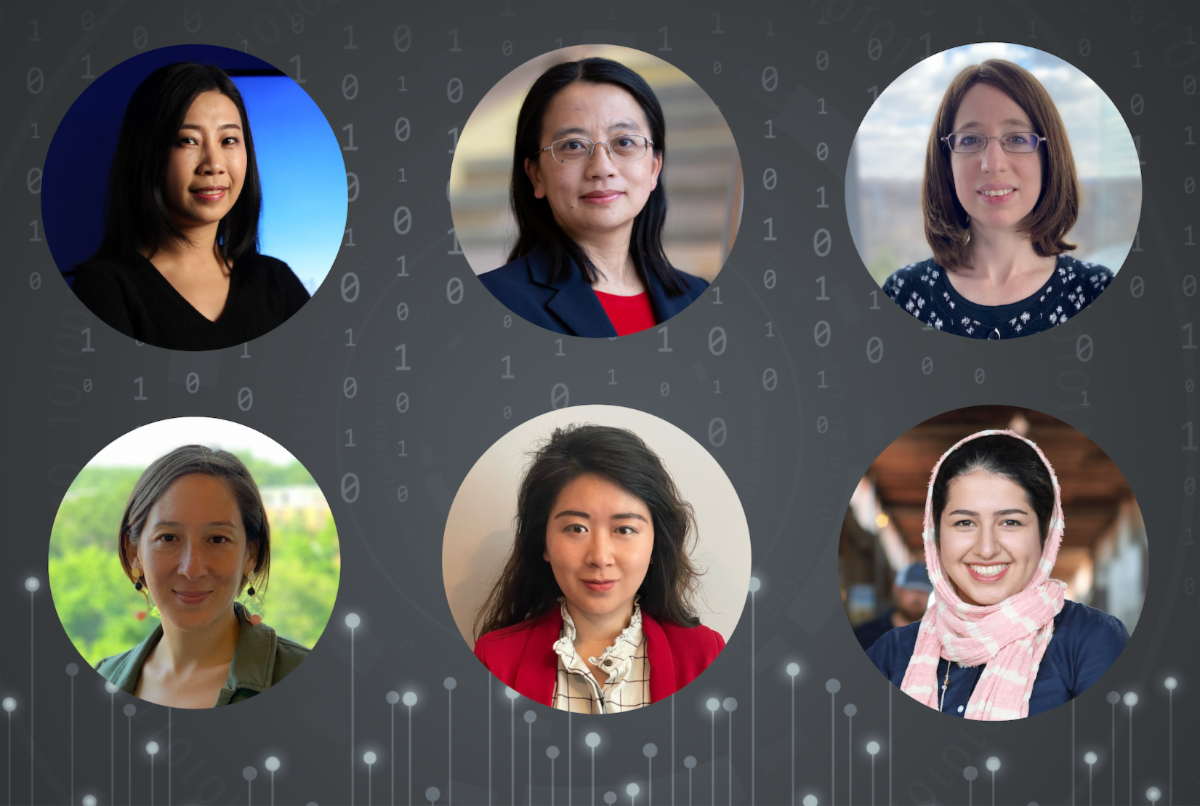 The March–April 2022 issue features fairness and trust in artificial intelligence, a new toolkit to process RNA-sequencing data, and more.
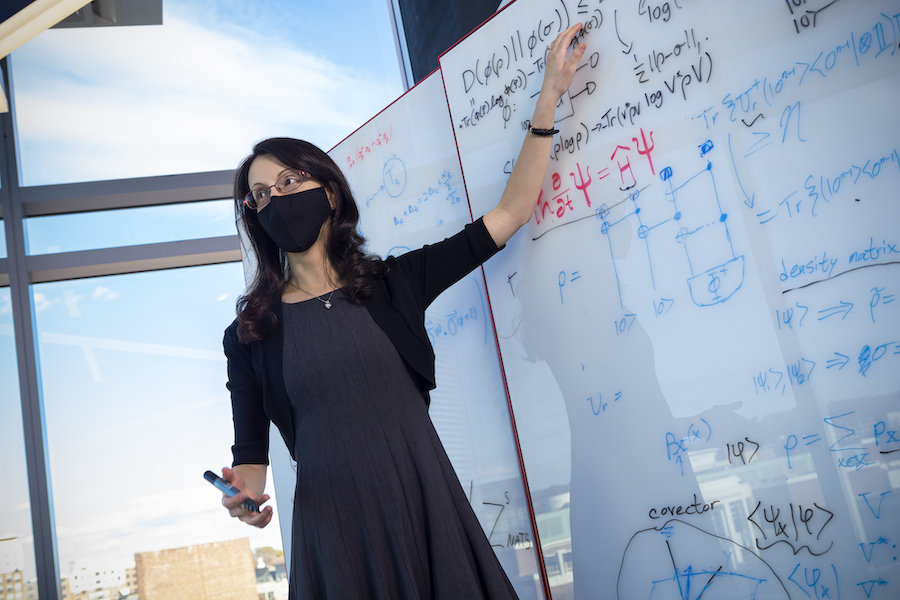 The February 2022 issue features our newest QuICS Fellow Nicole Yunger Halpern, the late Nail Gumerov, and multiple machine learning research awards.
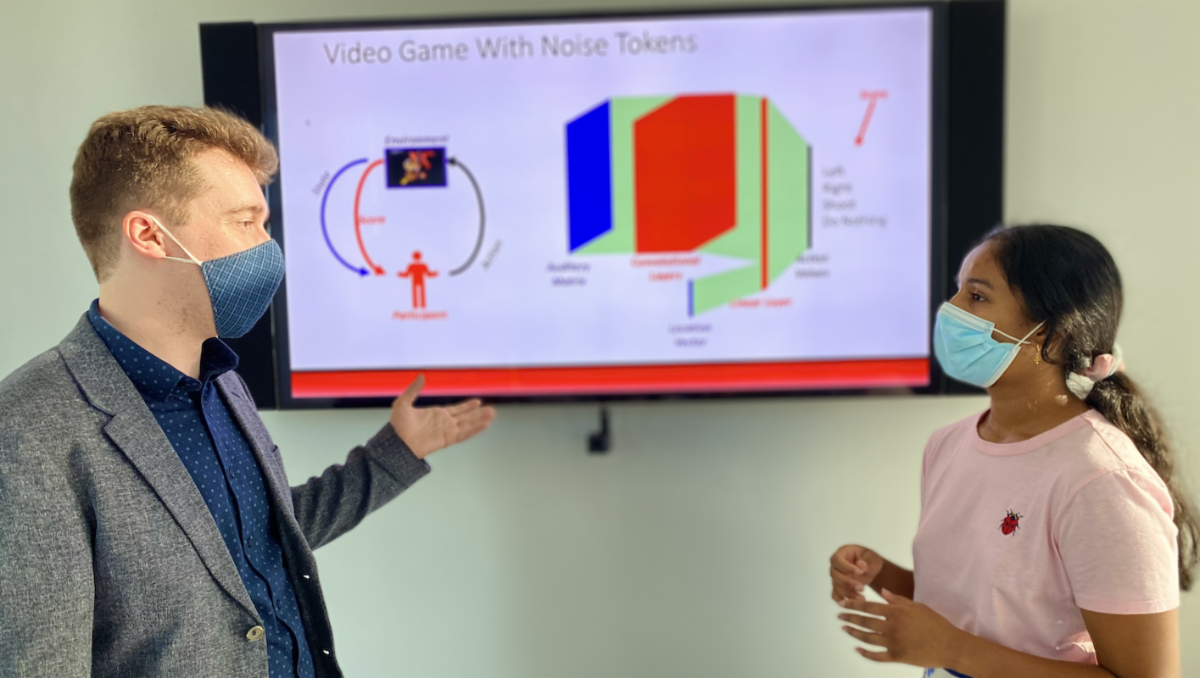 The November/December 2021 issue features cutting-edge research from our computational linguistics lab, a new artificial intelligence system that can adapt to circumvent censorship, and more.
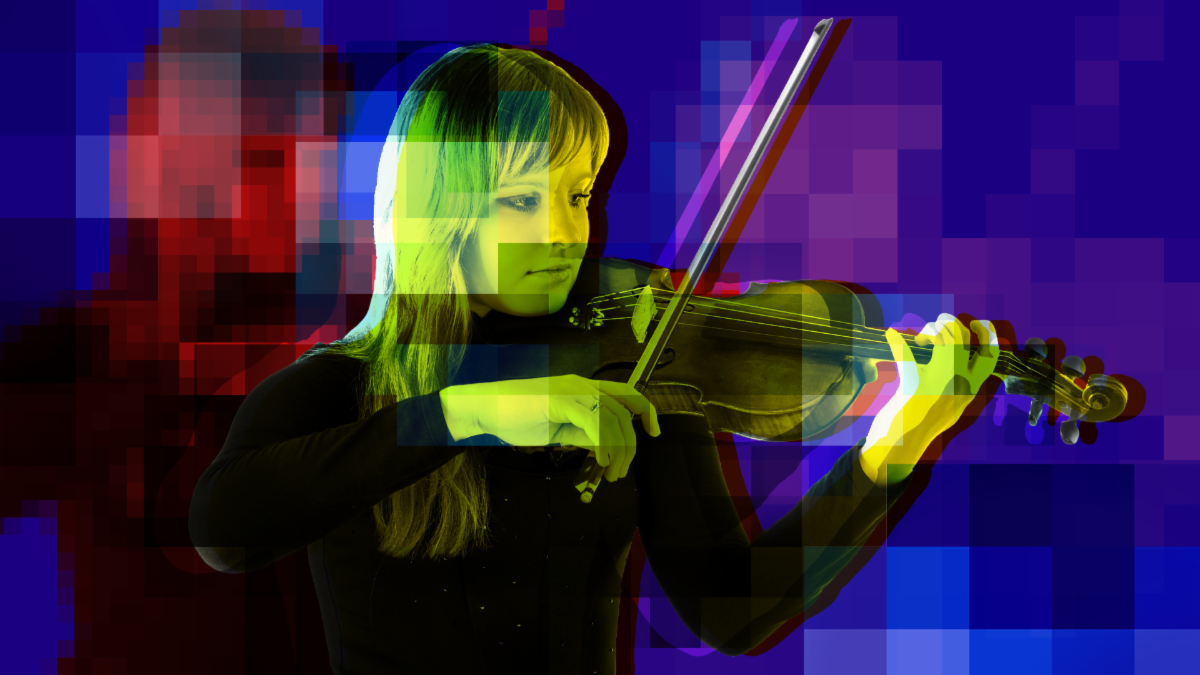 The October 2021 issue features our faculty's numerous new leadership positions, using artificial intelligence for violin instruction and heart monitoring, and more.
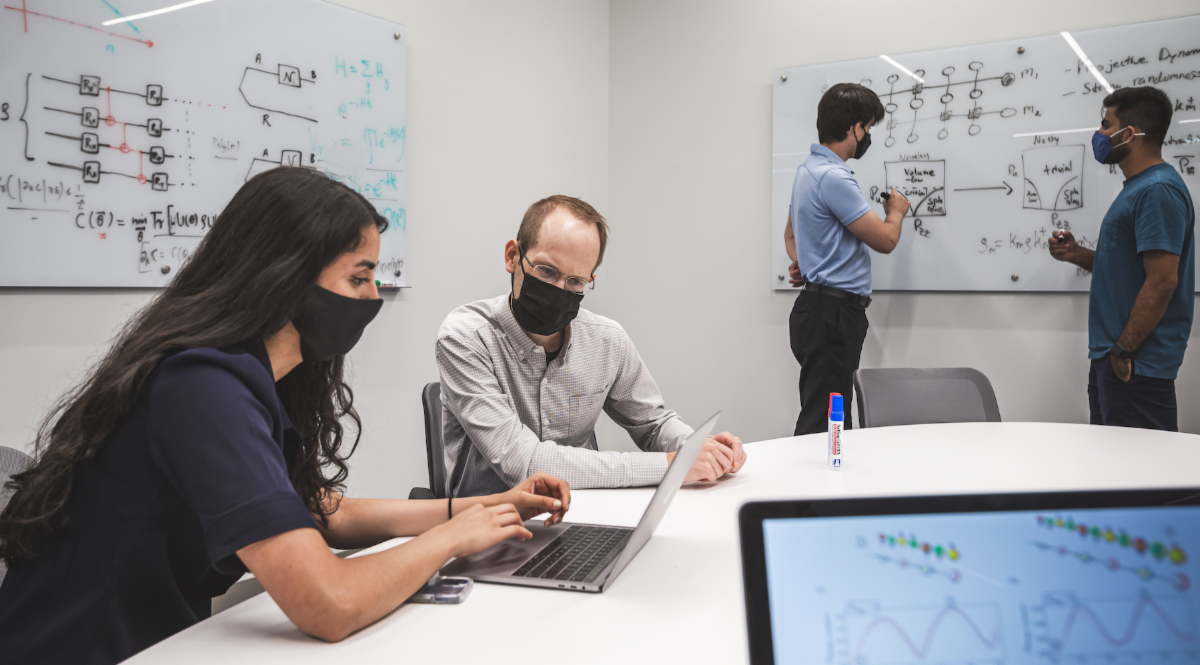 The September 2021 issue features a new quantum leap challenge institute led by Andrew Childs, eight new faculty appointments, NSF awards to improve mental health and Wi-Fi infrastructure, and more.
 The July 2021 issue features a first-of-its-kind study that quantifies cybersickness in virtual reality, a Best Demo award for a mini sound localization system, tiny drones designed to pollinate crops, and more.
 The June 2021 issue features Plaisant's retirement, our new faculty member Erin Molloy, Zwicker is named chair of the Department of Computer Science, and more.
 The May 2021 issue features research by our faculty to advance computational tools in microbiology, virtual and augmented reality, computer vision, and more.
 The April 2021 issue features a tribute to Jack Minker, who passed away earlier this month; a look at a hands-on research workshop; Rita Colwell on theTalk Nerdy podcast; and more.
 The March 2021 issue features Amazon funding Philip Resnik to use machine learning for suicide risk assessment, Abhinav Bhatele's NSF CAREER award, and more.
 The February 2021 issue features AI harnessing data science for social good, Michelle Mazurek is named co-director of MC2, QuICS' latest accomplishments, and more.
 The December 2020 issue features virtual reality research to better predict severe weather and train factory workers, as well as five significant awards to UMIACS faculty members who are at the forefront of their respective fields.
 The November 2020 issue features our newest QuICS fellows, Soheil Feizi's DARPA-funded project, Catherine Plaisant's IEEE Visualization Career Award, and more.
 The October 2020 issue features two major NSF awards, our Rising Stars in Machine learning, new undergraduate major in Immersive Media Design, and more.

The September 2020 issue features articles on sexism in science, fighting Alzheimer's Disease and lung cancer with big data, developing computational models to better understand political decisions, and more.
 The August 2020 issue features Rita Colwell's riveting memoir, our powerhouse cybersecurity community, two new appointments, and more.
 The July 2020 issue features five faculty promotions, social distancing robots, smart home security research, and more.
 The June 2020 issue features three awards from NSF to improve the national response to COVID-19, a novel web application to track the virus, and more.
 The May 2020 issue features two videos, a $10M NSF award to thwart disease outbreaks, Abhinav Shrivastava's $2.5M award from DARPA, a story on how faculty are adapting to researching activities during the COVID-19 crisis, and more.
 The April 2020 issue features DARPA's $3.1 million machine learning award, Forbes' story on socially intelligent robots, three awards from NSF, and more.
 The March 2020 issue features Soheil Feizi's NSF award, weather forecasting in virtual reality, the Maryland Center for Women in Computing, and more.
 The February 2020 issue features a $2.6M grant from NIH, the new MC2 director, a conference on the future of quantum, and more.
 The December 2019 issue features two $1M grants, two IEEE faculty awards, the Maryland Center for Women in Computing, and more.
 The November 2019 issue features Pratap Tokekar’s work in robotics, Furong Huang’s research in machine learning, Ben Shneiderman’s and Amitabh Varshney’s IEEE Vis Academy induction, and more.
 The October 2019 issue features our quantum postdoctoral research fellows, Huashui Peng’s work in 3D modeling, our final Rising Star in Machine Learning speaker, and more.
 The September 2019 issue features Four Strings Around the [Virtual] World, Ge Gao’s and Marine Carpuat’s award to advance smart machine translation systems, a story about our second-to-none Help Desk, and more.






Contact us
Director
David Jacobs (301) 405-6802 dwj [at] umd.edu
Executive Director of Administration & Operations
Emily Hartz (301) 405-0408 ehartz [at] umiacs.umd.edu
FAX (301) 314-9658
Director of Computing Facilities
Derek Yarnell (301) 405-6754 derek [at] umiacs.umd.edu
Media Inquiries
Tom Ventsias (301) 405-5933 media [at] umiacs.umd.edu
Director of Corporate Partnership Development
Maria D. Johnson 301-405-7990 mjohns40 [at] umd.edu
General Information
(301) 405-6722