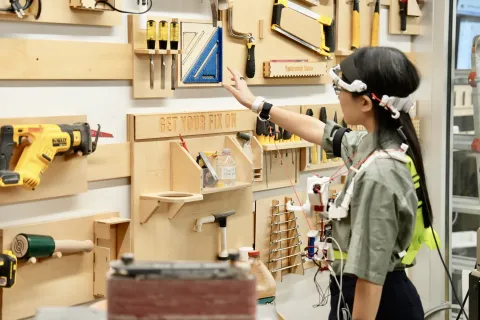
UMD researchers developed an AI exosuit that intercepts human errors mid-motion to accelerate physical skill learning.
Findings from a real-time brain wave study could help VR and AR designers detect and reduce dizziness, nausea and other symptoms.
A new algorithm developed by UMD researchers builds the digital maps that power AI search at record-breaking speeds.
Soheil Feizi is part of a $7.5M multi-institutional initiative to advance the next generation of artificial intelligence.
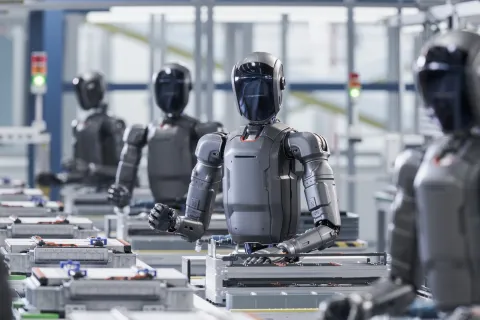
UMD’s award-winning AI model learns from video to guide robot movements.
The QuICS Fellow is being honored for breakthroughs in quantum information science.
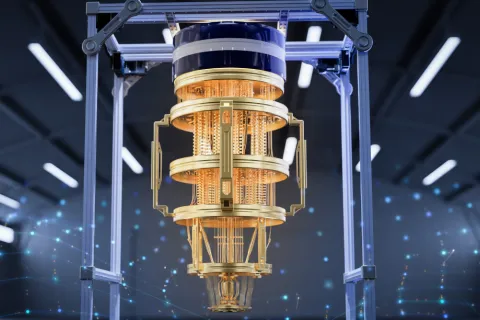
Research co-authored by two QuICS Fellows shows trapped-ion quantum computers can probe the universe's biggest mysteries.
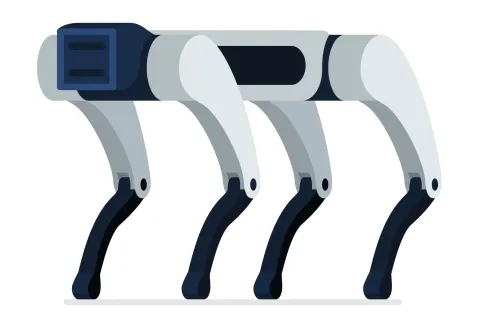
UMD and George Mason researchers developed a faster way to transfer locomotion skills across different robot designs.
The five-year award expected to total $37.5M supports the institute’s next phase of research, education and workforce development.
QuICS Fellow Nicole Yunger Halpern collaborates on research identifying which quantum states can deliver a true computational advantage.