
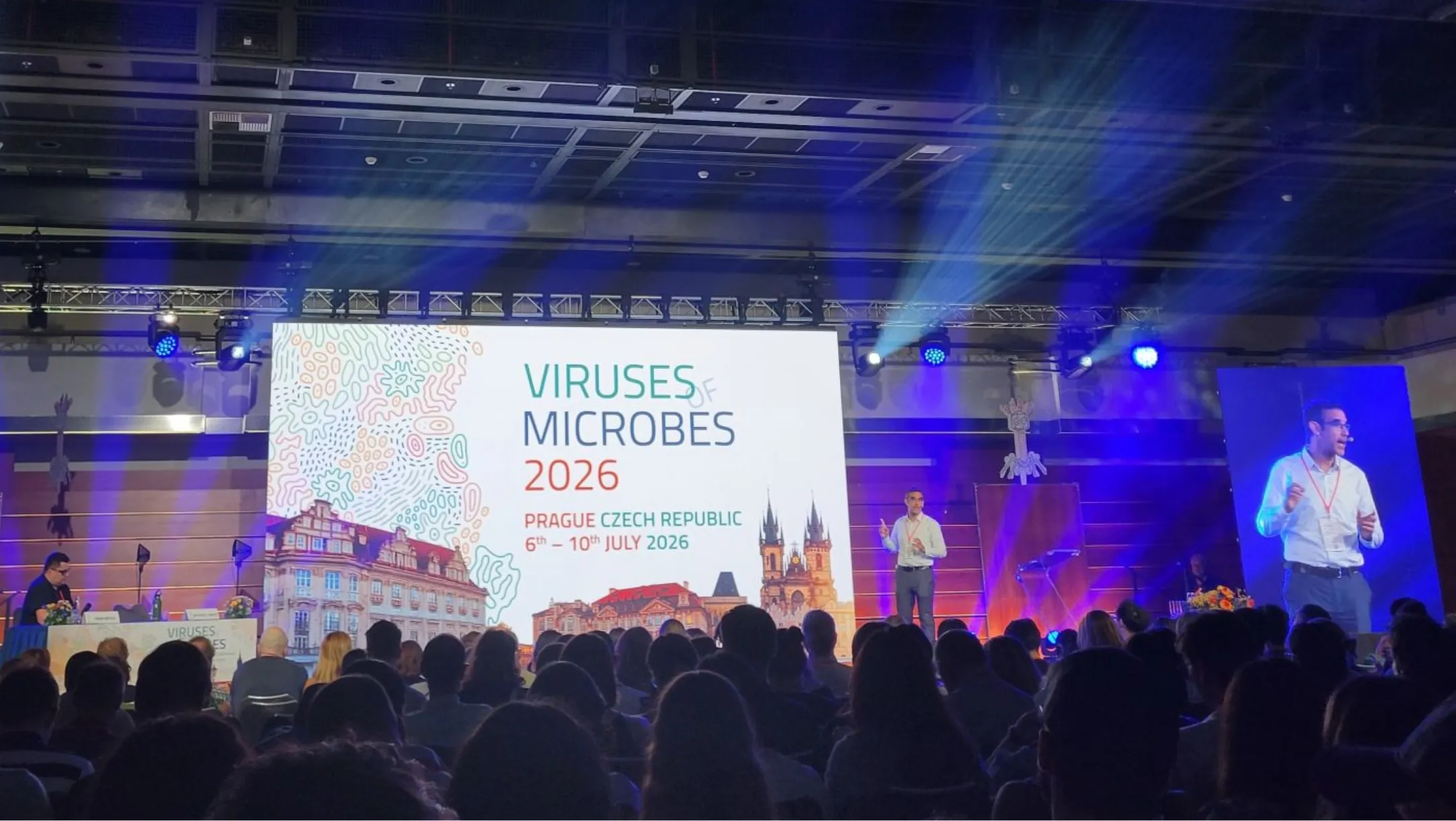
A trio of faculty members from the University of Maryland Institute for Advanced Computer Studies (UMIACS) took on prominent leadership and speaking roles at major international conferences in July 2026, highlighting the institute's expertise across artificial intelligence, computational biology and microbiome research.
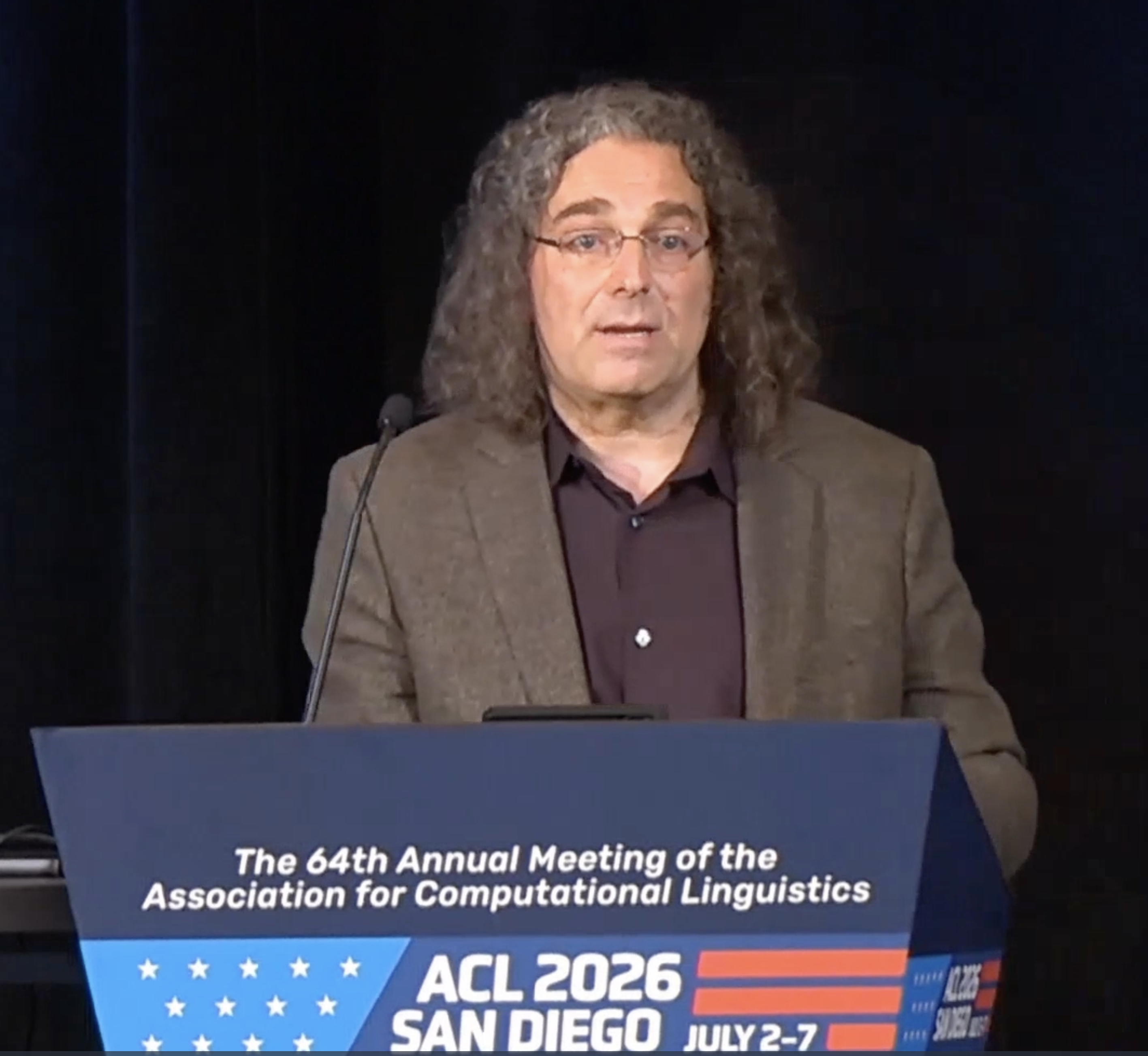 Philip Resnik, a professor of linguistics, delivered the opening keynote address at the Annual Meeting of the Association for Computational Linguistics (ACL 2026) in San Diego. His presentation, A New Balancing Act: Reflections on the Relationship Between Computational Linguistics and AI, argued that the commercial success of AI and large language models (LLMs) has disrupted the balance of priorities in the computational linguistics community. He outlined three key challenges facing the field and encouraged researchers to approach them through constructive dialogue rather than opposition.
“I wanted to bring conversations already happening across the field into the open and frame them in a way that encourages productive discussion,” Resnik said. “This community played a pivotal role in creating the AI revolution and I argued that we’ve got a crucial and distinctive role to play in how AI evolves moving forward.”

Mihai Pop, an MPower Professor of Computer Science, served as co-chair of the 2026 Conference on Intelligent Systems for Molecular Biology (ISMB) in Washington, D.C. He also delivered the Distinguished Keynote Address at the ISCB Youth Bioinformatics Symposium, a companion event that introduces middle and high school students to computational biology and bioinformatics.
In his keynote, My Long and Winding Road to Computational Microbiome Analytics, Pop reflected on the unexpected path that led him to computational microbiome research, sharing lessons from both successes and setbacks before offering advice to students beginning careers in science.
Joshua Weitz, a professor of biology and the Clark Leadership Chair in Data Analytics, co-chaired the Bioinformatics and AI sessions at the 2026 Viruses of Microbes Conference in Prague, Czech Republic. The conference explores the impacts of viruses that infect microbes, from molecular mechanisms and evolution to ecology and therapeutic applications. Weitz opened the sessions with a presentation titled Computational Models of the Eco-Evolutionary Dynamics of Inefficient Viral Infections.
“The session highlighted how distinct modeling approaches—from mechanistic simulations to AI-driven inference—can be used to understand how viral infections of microbes impact human and environmental health,” Weitz said. “International in scope, the session reinforced the centrality of collaboration to move this field forward.”
—Story by Maria Herd, UMIACS communications group